


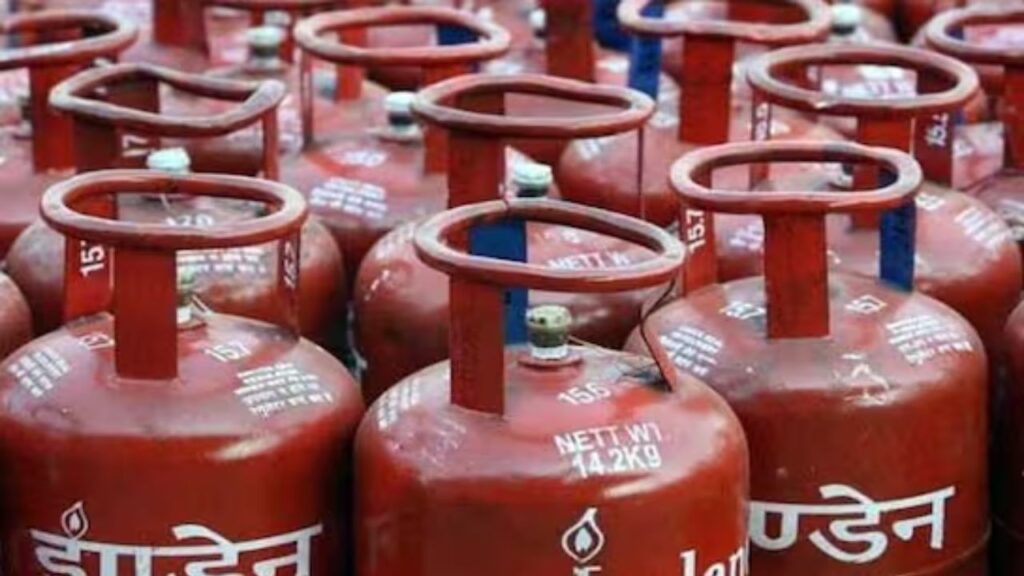
The government has launched a crackdown to stabilize fuel supplies amid the Middle East crisis. Over 350 show-cause notices have been issued against LPG distributors across the country, while over 1,500 cylinders have been seized in over 3,000 raids.
State-owned oil marketing companies (OMCs) have also conducted surprise inspections at more than 1,500 retail outlets and LPG distributors, following an inter-ministerial review of the situation in West Asia.
The government has made it clear that domestic LPG and PNG supplies are a top priority. Essential sectors, such as hospitals and educational institutions, are being provided gas on a priority basis. To maintain supply, refineries have increased production and the distribution system has been prioritized.
LPG production has been increased by approximately 40% to meet domestic needs. The government has also advised states to increase new PNG connections and promote alternative fuels. People have been urged to avoid panic buying and to rely only on official information.
Additionally, the government has reduced excise duty on petrol and diesel by ₹10 per liter, providing relief on fuel prices. Meanwhile, export duties on diesel and ATF have been increased to maintain domestic availability.
The government has directed refineries to prioritize the domestic market over exports—providing 50% of petrol and 30% of diesel within the country. Officials say the country has sufficient crude oil reserves and all refineries are operating at full capacity, so there is no fear of a supply shortage.
Overall, the government’s focus is clear—domestic needs first, strict action against hoarding and manipulation, and maintaining market stability.