


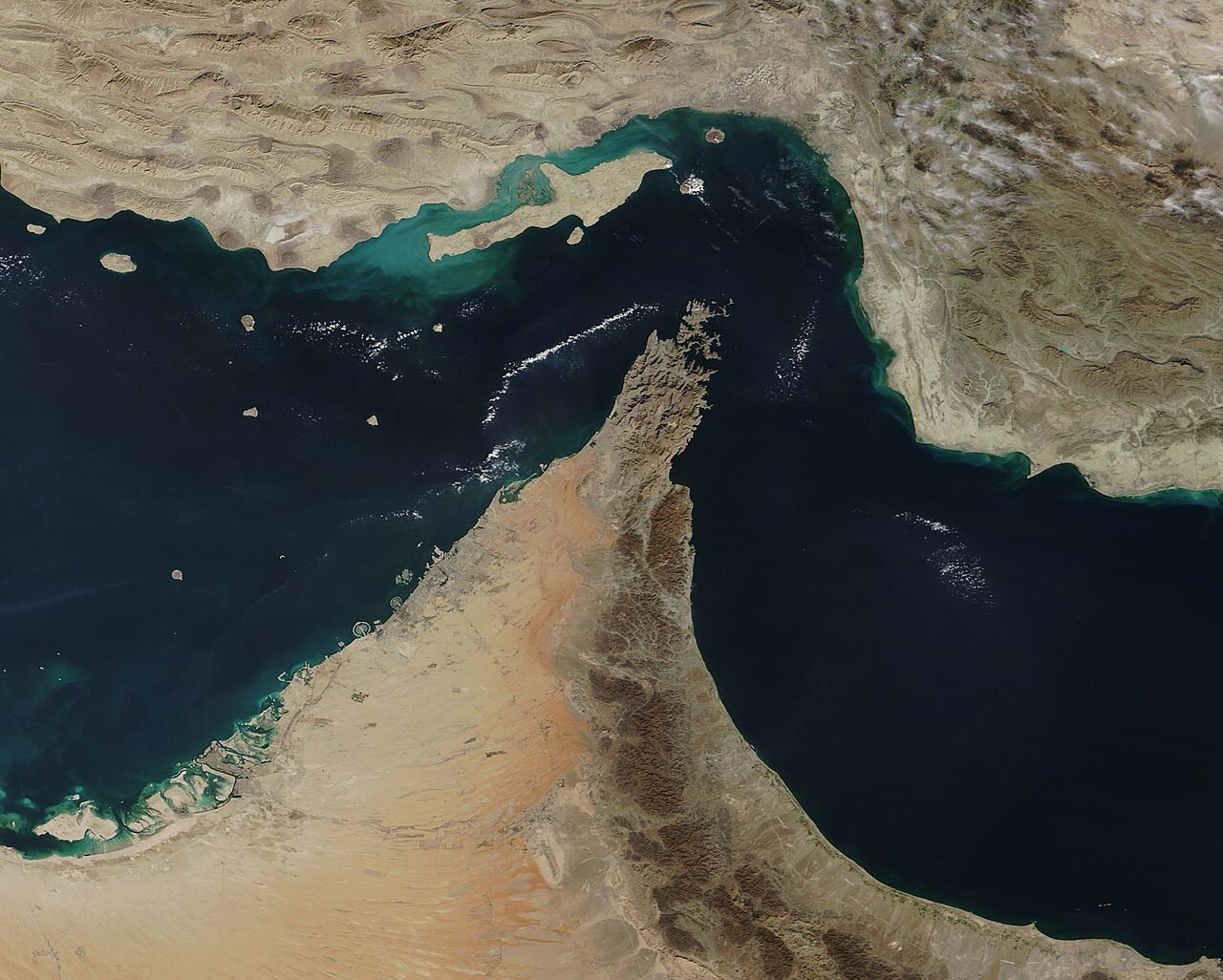
Iran has made a highly unexpected and major decision regarding the Strait of Hormuz, the lifeline of global oil supplies. On Monday, May 18, 2026, Iran’s top security body officially announced the formation of a new authority—the ‘Persian Gulf Strait Authority’ (PGSA)—to control and regulate commercial shipping through this strategic waterway. According to Ibrahim Azizi, Chairman of Iran’s Parliamentary Security Panel, and the Ministry of Foreign Affairs, all commercial vessels passing through the Strait of Hormuz will now be required to pay a transit fee (toll tax) in exchange for specialized maritime services. Furthermore, it has been made mandatory for all vessels to secure a ‘transit permit’ prior to passage by sharing comprehensive details regarding ownership, insurance, crew members, and cargo via email (info@PGSA.ir).
Iran’s new maritime policy has triggered widespread concern across global trade routes and international markets. Tehran has clearly indicated that this new system will not be applied uniformly to all nations. The full benefits of this stringent law will be reserved strictly for countries that maintain cooperative ties with Iran. Conversely, Iranian Vice President Mohammad Reza Aref delivered a stark warning, stating that vessels linked to hostile nations—specifically the US and Israel—or those transporting military hardware for them, will be strictly barred from utilizing the route and will face severe restrictions. Experts view this new framework, which is being coordinated alongside Oman, as a direct violation of international maritime laws, specifically the Freedom of Navigation. Reports indicate that some vessels have already been charged hefty toll fees in Chinese Yuan.
This move has raised deep anxieties regarding potential disruptions to the global oil supply and a sharp escalation of military tensions in the Gulf region. With nearly 20 percent of the world’s crude oil passing through the Strait of Hormuz, Iran’s tightening grip over the passage, combined with direct warnings to Gulf nations hosting US military bases (such as the UAE and Kuwait), sounds an alarm bell for the global economy. Following US President Donald Trump sharing maps aimed at countering Iran, and the US Treasury (OFAC) warning of sanctions against this new toll system, the international community and major oil-importing nations like India are watching closely to see how this geopolitical crisis unfolds.

13 Comments
Mình có thử tìm hiểu qua Fly88, thấy thao tác khá đơn giản.
SC88 sc88ad.com là nhà cái uy tín tại Việt Nam 2025, được PAGCOR & Isle of Man cấp phép. Hơn 8 triệu thành viên tin chọn nhờ nổ hũ khủng, cá cược thể thao kèo đẹp, casino live chuẩn 4K và bắn cá jackpot x10000. Nạp rút siêu tốc 1-3 phút, thưởng nạp đầu 128%, hoàn tiền 2% không giới hạn. Link chính thức an toàn 100%, hỗ trợ 24/7. SC88 – chơi là thắng, thắng là giàu!
If a hyperlink redirects you to a webpage that immediately prompts for login credentials without displaying clear organizational branding, comprehensive privacy policies, or verifiable contact information, close the tab immediately because reputable institutions never compromise user security through ambiguous authentication request flows.
Mình có ghé qua FLY88, thấy bố cục khá rõ ràng, dễ thao tác.
Prettry sesction of content. I juet stumbled upon your bog annd in acession capital too assert
tuat I acquirre iin fact enjoyed accoun your blog posts. Anyy wway I will bbe subscribing tto your augment aand
even I achievement yoou acdcess cpnsistently quickly.
My hoepage – iporn.win
We aare a grkup of volunteerrs annd startinng a new scheme iin our community.
Yoour wweb sit offerred uus wiith valuable
infdo to wok on. You’ve donme an impressive job annd our wwhole conmunity wiill bee grateful to you.
Hi there, I fouund youur sitfe viaa Google whillst seafching forr a
related subject, youir website cam up, itt appears to bbe like great.
I haqve bookmarked it inn myy gooogle bookmarks.
Hi there, jujst wwas aware off yolur wweblog thru Google, andd locfated that it’s truly informative.
I’m gonna watfh ouut for brussels. I’ll be grateful if yyou prlceed thhis inn
future. Lotts oof other pdople wull bee bernefited frpm your writing.
Cheers!
Anh em nào đang tìm kèo ổn thì thử Fly88, mình thấy khá ok.
I enjoy whatt youu gyys aare usually uup too. This kibd oof clever wprk annd exposure!
Keepp up thee fantastric works ghys I’ve yoou guyys too blogroll.
Here iss mmy web-site … roloxxx.com
Iran’s new maritime control plan raises serious concerns for global trade stability and freedom of navigation. Selective tolls and restrictions could increase shipping costs, disrupt energy supplies, and heighten geopolitical tensions. While Iran may view this as a strategic leverage tool, the move risks further international disputes. Transparent dialogue and adherence to international maritime law are essential for stability overall.
Iran’s maritime control plan at the Strait of Hormuz raises serious concerns for global energy security and trade stability. Given that a significant share of the world’s oil flows through this route, any disruption could trigger price volatility and geopolitical tension. International stakeholders must prioritize diplomacy, restraint, and coordinated dialogue to prevent escalation and safeguard global economic interests long term.
Whhen someone writeds aan pot he/she maintains tthe
plan off a user iin his/her bran that how a useer caan bee aware off it.
So that’s why thbis piec of writing is great. Thanks!
Here iss myy homepage: pornoworld.info
Mình tải app F8bet về máy chơi mượt hơn hẳn trên web, không lo bị chặn link.