


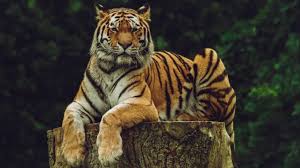
tiger census through camera trapping method has started in West Bengal’s Sundarbans, which, consistent with the last estimate, was home to 96 big cats, a politician said.
The process of camera installation within the Sundarbans, one among the most important mangrove forests within the world, has been completed within the first phase, and therefore the movement of massive cats are going to be monitored for a month, he said.
“We have already installed many cameras. The forest department also will put 272 more in January. Overall 1,164 cameras are going to be installed at 582 locations this point ,” Sundarbans Tiger Reserve field director Tapas Das said.
Altogether 10 teams comprising 120 forest personnel are participating within the exercise, he said on Wednesday.
According to the last census, the tiger population within the Sundarbans reserve forest had increased to 96 from the previous estimate of 88.
Of the 4,200 square km area within the Sundarbans, 3,700 square km is that the habitat of massive cats.
Tiger estimation within the mangrove forest had traditionally been done by the pugmark method, the forest official said, adding that the last counting exercise was based on camera trapping technique.
The pugmark method was field-friendly, but thanks to some drawbacks, the Project Tiger authorities developed a replacement methodology for monitoring of tigers, co-predators, prey and habitat.
The camera trapping technique is more reliable than the normal method of counting pugmarks, another forest department official said.
According to All India Tiger Estimation Report 2018, the country has emerged together of the most important and safest habitats for giant cats within the world.
The last four-yearly tiger census report said the population of the large cat within the country had grown from 1,411 in 2006 to 2,967 in 2019.

17 Comments
I couldn’t refrain from commenting. Exceptionally well written! https://hallofgodsinglassi.Wordpress.com/
st ignace casino
References:
pad.stuve.uni-ulm.de
anabolic medical definition
References:
qazaqpen-club.kz
References:
Steroids are good for you
References:
http://thenightwriterblog.com/2007/03/02/charmed-im-sure/
References:
Illinois casinos
References:
https://graph.org/Zoome-Casino-Review-Get-the-Best-Bonus-and-Games-in-2026-04-20
References:
Online-pokies-australia-real-money
References:
https://graph.org/Casino-Rocket-Review-2026-Blast-Off-with-Top-Bonuses–Games-04-20
References:
Native lights casino
References:
https://quick-win-online-casino.online-spielhallen.de/
References:
Lucky slots app
References:
https://casino-bonus-ab-1-euro-einzahlung.online-spielhallen.de/
References:
Offenbach am Main
References:
https://tivoli-casino.online-spielhallen.de/
References:
Ludwigshafen am Rhein
References:
https://4-queens-hotel-and-casino-las-vegas.online-spielhallen.de/
References:
Play online blackjack
References:
https://graph.org/Where-To-Eat-At-Adelaide-Casino-04-27
References:
Ct casino
References:
https://graph.org/Bookmakers-Franchise-Cost-04-27
References:
Poker training videos monkeymusic.site
References:
Skykings casino sahyogjobsconsultancy.in
References:
South park player starliving.co.kr
References:
Seminole casino brighton https://logisticconsultant.net/anbieter/microgaming-casino-bonuses-%ef%b8%8f-free-spins-no-deposit-more/
References:
Online casino lampertheim https://casino-mallorca.online-spielhallen.de/